
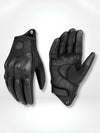
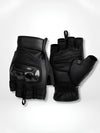
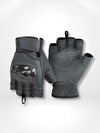
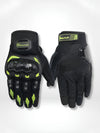
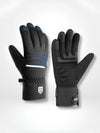
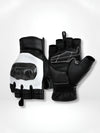

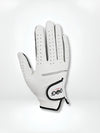



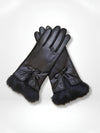
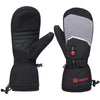
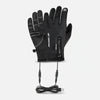

: 
Since all gloves eventually get dirty from perspiration and contact with surfaces, it's essential to know how to clean them. Leather gloves serve a variety of purposes, from work gloves and sports gloves to fashion accessories. Leather can be damaged by excessive contact with water, so cleaning should be done carefully with a special soap designed to protect leather. Most importantly, the final step in cleaning is to condition the leather so that it remains supple and resistant to water and dirt.
Protect your hands with style and efficiency – discover this collection of gloves on gantsdestyle.com !
Most types of smooth leather (known as aniline and nappa leather ) respond well to the cleaning process described below. However, suede and nubuck, which both have a rough, wrinkled finish, require a different cleaning method. Read on to learn how to properly care for your smooth leather gloves.
Advice :
If you own leather gloves lined or trimmed with natural fur, it is best to have them cleaned by a professional furrier. Cleaning at home, other than removing light stains on the fingertips, can damage the fur.

What you will need:
- Equipment / Tools
- Microfiber cloths
- Small mixing bowl or cup
- Absorbent pads
- Soft bristle brush
- Saddle soap or Castile soap
- Distilled white vinegar
- Leather conditioner
- Isopropyl alcohol (rubbing alcohol)
- Cotton swabs
- Baking soda
Instructions
Materials and tools for cleaning:
- The spruce Sanja Kostic
- Detergent Saddle soap or Castile soap
- Hot water temperature
- Cycle type: Hand wash only
- Drying cycle: Air dry only
- Special treatments: Use a leather conditioner after washing
- Iron settings: Do not iron
How often to clean:
Once a year; or when it is visibly dirty
How do I clean leather gloves?

Pre-treat heavy soils
In a small bowl or measuring cup, mix equal parts warm water and distilled white vinegar. Dampen a microfiber cloth with the mixture and gently wipe the stained areas. Continue moving the cloth to a clean area as the dirt is transferred.
If the gloves have mud splashes, let them dry before attempting to clean them. Use a soft-bristled brush to remove the mud, then treat any remaining stains.
Remove ink stains
To remove ink stains from leather, soak a cotton swab in isopropyl alcohol (rubbing alcohol). Start at one end of the ink stain and gently rub it with the cotton swab. Do not rub, as this could damage the leather. As the ink transfers, discard the cotton swab and use a new one. Work slowly to prevent the stain from spreading.
Prepare a cleaning solution
In a small bowl, prepare a soapy solution of warm water and mild liquid soap, such as Castile or saddle soap. If using a bar or gel soap from a container, wet a microfiber cloth and rub it on the bar to create a lather.
Clean the outside of the gloves
Lay the gloves flat on an absorbent towel. Use the soapy cloth to wipe away dirt from the gloves, starting at the wrist and working your way up to each fingertip. Be sure to clean thoroughly between each finger. Do not over-saturate the leather; focus on cleaning the surface.
Rinse the cloth frequently as dirt is transferred and reapply soap if necessary. Turn the gloves inside out and repeat the process on the other side.
Clean the inside of the gloves
If possible, turn the gloves inside out and repeat the cleaning steps. If the gloves are lined with faux fur or sheepskin, wipe the inside with a cloth dampened with a 50:50 mixture of distilled white vinegar and water to help control bacteria and odors.
Rinse the gloves
Use a clean, damp microfiber cloth to "rinse" the gloves on both sides. Wipe away any foam residue, paying particular attention to the seams and spaces between the fingers. Rinse the cloth and wring it out well to prevent excess moisture while you work.
Air dry the gloves
Place the gloves right-side out on a clean, absorbent towel to air dry in a cool, shaded area. Check them after an hour and place them on your hands to help shape and stretch the leather. If the inside is unusually damp, turn them inside out. Wait another hour, turn them right-side out again, and put them back on to help them dry gently. Most gloves will dry completely in under eight hours.
Advice

Never place leather gloves in direct sunlight or near a heat source to speed up drying. This could cause irreversible shrinkage of the leather.
Leather care
To keep the leather supple and soft, use a commercial leather conditioner on the outside of the gloves once they are completely dry. Follow the application instructions on the label.
Aniline : This leather is full-grain leather treated with aniline. It is the most common type of leather used for winter, work, and sports gloves.
Nappa : The highest quality leather, Nappa leather is very soft and supple; it is usually made from full-grain sheep or lambskin.
Two other types of leather have rough, wrinkled finishes that must be cleaned using special techniques:
Suede : Natural suede leather is created from the soft underside of a split-grain animal hide. It has a crinkled finish that stains easily.
Nubuck: Similar in appearance to suede, nubuck uses the top layer of animal hide which is finely sanded and polished to produce the softest, most velvety leather finish.
Treating stains
Most stains on leather gloves can be removed fairly easily by rubbing with a mixture of water and white vinegar. For ink stains and other greasy stains, rubbing with a cloth dampened with isopropyl alcohol usually does the trick.
Cleaning white leather gloves:
To clean white gloves, you can start by sprinkling the soiled area with flour. Let it sit for an hour, then dust it off. Another effective method is to use whiting, a natural powder rich in calcium carbonate, often used for cleaning. To clean with whiting, apply it to the gloves and leave it overnight. Wipe off the powder the next day and shake the gloves well. This will give them a clean and fresh look.
Leather glove care and repair:
If your work gloves have a torn seam, take them to a cobbler to have them repaired. Most attempts at home repairs are not very effective and can further damage the thin leather. For utilitarian work gloves where appearance is not important, there are a variety of leather repair kits that provide the necessary materials to apply a self-adhesive repair material to holes or to sew torn seams.
Storage
When not in use, leather gloves should be completely dry before storage. Place them in a breathable cotton bag to protect them from dust, but with sufficient air circulation to prevent mold growth. Storing them in a plastic bin can cause white leather gloves to yellow. It is advisable to treat your leather gloves before storing them for an extended period.
How often should I clean?
Even leather gloves that are rarely used should be cleaned and conditioned at least once a year to maintain the leather's suppleness. It is advisable to clean and condition winter gloves just before storing them away for the season.
Frequently used gloves should be thoroughly cleaned as soon as they become visibly soiled, but only treat them when necessary, as leather does not tolerate frequent exposure to water. Leather work gloves can be wiped with a damp cloth after each use, using a solution of vinegar and water, but should be fully cleaned and conditioned every two months.
Cleaning tips
To control odors in fur-lined gloves between cleanings, hang them on a hanger with the fingers facing down. Sprinkle the inside of the gloves with dry baking soda and let them hang for 24 hours. Turn the gloves inside out and brush off the baking soda before wearing them again.
While your gloves are drying, put them on your hands regularly to stretch the leather and ensure they don't shrink.
Allow wet gloves to dry slowly; this will prevent the leather from stiffening and cracking. Never dry wet gloves with a hairdryer and never place them on a radiator or other heat source to dry them.
Cleaning your gloves can be easier if you wear one glove while wiping it with your other hand using a water/saddle soap solution.

FAQ
Should I waterproof my leather gloves?
Waterproofing is generally unnecessary if you regularly care for the leather. Occasional exposure to rain or snow won't harm them. However, if your gloves are frequently exposed to wet conditions, you can waterproof them with a product like Nikwax, which is formulated to keep leather water-resistant.
How can I rejuvenate an old pair of shoes?
Old gloves that haven't been worn for a long time can become dry and stiff. By carefully rubbing them with lanolin or a leather conditioner while wearing them, you'll soften them and help them regain their shape on your hands. Once they're supple again, you can turn them inside out to clean the inside.
How to remove oil stains?
Blot off as much oil as possible with dry paper towels. Then, sprinkle baby powder or cornstarch over the stained area and leave the gloves overnight. The powder will absorb more oil and can then be brushed off. Clean the gloves as usual.